

Businesses should use the Australian Government's Modern Slavery Statement templates, the National Anti-Slavery Strategy, and the Modern Slavery Act 2018 reporting portal to audit risks. These official resources provide the legal framework and reporting standards required for compliance. The Freedom Hub supports organizations in applying these tools effectively to identify and remediate exploitation in their supply chains.
The Legal Framework and Reporting Obligations
Modern slavery is a serious human rights violation that requires rigorous corporate oversight. The Modern Slavery Act 2018 is the primary legislation governing how Australian businesses must report on their efforts to prevent modern slavery. This law mandates that eligible entities prepare an annual statement detailing their risk assessment and remediation actions. Understanding this legal baseline is the first step in any compliance audit.
The Act defines modern slavery broadly, including forced labor, human trafficking, and child labor. Businesses must assess their operations and supply chains against these definitions. The Australian Government provides specific guidance on who must report and what the statement must contain. This clarity helps organizations avoid legal pitfalls and ensures their audits are legally sound.
Compliance is not just about ticking boxes; it is about demonstrating genuine effort. The reporting portal allows entities to submit their statements publicly. This transparency builds trust with stakeholders and regulators. The Freedom Hub emphasizes that this legal requirement is a starting point, not the finish line, for ethical business practices.
Official Risk Assessment Resources
The Australian Government offers several tools to help businesses identify where modern slavery risks exist. The National Anti-Slavery Strategy is a key document that outlines the government's approach to addressing this issue. It provides a framework for businesses to align their internal policies with national priorities. Using this strategy helps ensure that your risk assessment is comprehensive and up to date.
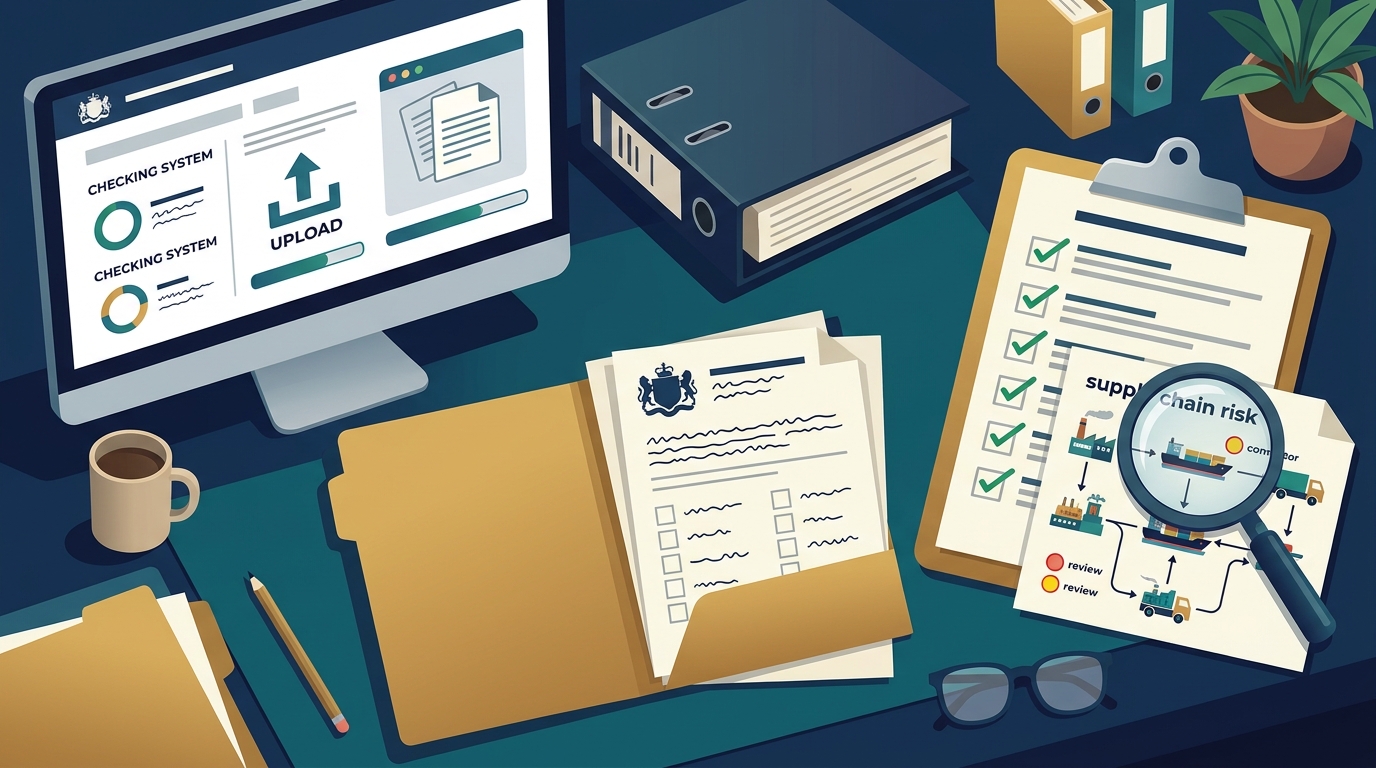
Another critical resource is the Modern Slavery Statement template provided by the government. This template guides businesses through the necessary sections of their report. It prompts organizations to consider their supply chain structure and the steps they have taken to mitigate risks. By using this official template, businesses can ensure they are addressing all required elements of their audit.
These resources are designed to be accessible and practical. They provide a structured approach to risk assessment that can be adapted to different industries. The Freedom Hub recommends that businesses use these tools as a foundation for their internal audits. This ensures that their efforts are aligned with national standards and best practices.
Supply Chain Transparency and Data
Supply chain transparency is essential for identifying modern slavery risks. The government encourages businesses to map their supply chains and identify potential vulnerabilities. This involves understanding the tiers of suppliers and the conditions under which goods are produced. Data collection is a crucial part of this process, and the government provides guidance on how to gather and analyze this information.
Transparency also involves sharing information with stakeholders. The Modern Slavery Statement is a public document that allows stakeholders to see how a business is addressing these risks. This openness can build trust and encourage other businesses to follow suit. The Freedom Hub believes that transparency is a powerful tool for driving change in the business community.
Remediation and Continuous Improvement
Identifying risks is only half the battle; remediation is the other half. The government expects businesses to take action to address the risks they identify. This might involve working with suppliers to improve labor conditions or terminating contracts with entities that fail to meet ethical standards. The Freedom Hub stresses that remediation must be genuine and effective, not just a public relations exercise.
Continuous improvement is a key principle of modern slavery compliance. Businesses should regularly review their risk assessments and update their strategies as needed. This ongoing process ensures that their efforts remain relevant and effective. The government provides resources to help businesses monitor their progress and make adjustments as necessary.
The Freedom Hub offers training and workshops to help businesses implement these practices. Our programs are designed to equip organizations with the skills and knowledge they need to conduct effective audits. By partnering with The Freedom Hub, businesses can ensure that their compliance efforts are robust and sustainable.
Key Takeaways
- The Modern Slavery Act 2018 is the primary legislation governing modern slavery reporting in Australia.
- The National Anti-Slavery Strategy provides a framework for aligning internal policies with national priorities.
- Official templates and guidance from the government help structure risk assessments and reporting.
- Supply chain transparency and data collection are essential for identifying high-risk areas.
- Remediation actions must be genuine and effective to meet compliance standards.
- Continuous improvement and regular reviews are necessary to maintain effective compliance.
- The Freedom Hub provides training and support to help businesses implement these practices.
Frequently Asked Questions
What is the Modern Slavery Act 2018?
The Modern Slavery Act 2018 is Australian legislation that requires eligible entities to report annually on their efforts to prevent modern slavery in their operations and supply chains.
Who is required to report under the Act?
What is the National Anti-Slavery Strategy?
The National Anti-Slavery Strategy is a government document that outlines the approach to addressing modern slavery in Australia, providing a framework for businesses to align their policies.
How can businesses use government templates for their audits?
Businesses can use the official Modern Slavery Statement template to structure their risk assessments and ensure they address all required elements of their report.
Why is supply chain transparency important?
Supply chain transparency is important because it allows businesses to identify and address potential modern slavery risks in their supply chains, ensuring ethical sourcing.
What role does The Freedom Hub play in compliance?
The Freedom Hub provides training and workshops to help businesses implement effective modern slavery compliance practices, ensuring their efforts are robust and sustainable.
Conclusion
Using government compliance tools is essential for auditing modern slavery risks effectively. The Modern Slavery Act 2018, the National Anti-Slavery Strategy, and official reporting templates provide the framework for robust compliance. The Freedom Hub is committed to helping businesses navigate these requirements and implement meaningful change. Learn more: Contact Us The Freedom.