

Modern slavery compliance in Australia is a legal obligation, not a voluntary ethical gesture. The Modern Slavery Act 2018 (Cth) mandates that eligible entities conduct due diligence and report on risks in their operations and supply chains. The Freedom Hub supports Australian businesses in meeting these obligations through practical advisory services that prioritize survivor engagement and genuine remediation.
1. Conducting a Modern Slavery Risk Assessment
Identify and document risks across your entire value chain. The first step in compliance is understanding where modern slavery risks exist within your business operations and supply chains. This involves mapping suppliers, subcontractors, and logistics partners to identify high-risk areas. A thorough risk assessment provides the factual basis for your reporting and remediation efforts. according to Precincts and State For additional details, review the Frequently Asked Questions.
2. Preparing an Annual Modern Slavery Statement
Report on your actions to address modern slavery risks. Eligible entities must prepare and publish a Modern Slavery Statement each reporting cycle. This document must be signed by a director and lodged with the Australian Border Force. The statement outlines the risks identified, the actions taken to mitigate them, and the effectiveness of those actions.
3. Implementing Due Diligence Processes
Establish systematic checks for suppliers and partners. Due diligence is the core mechanism for preventing modern slavery in supply chains. This includes verifying supplier practices, conducting audits, and ensuring that contracts include modern slavery clauses. Businesses must demonstrate that they are actively monitoring their supply chains for exploitation.
4. Establishing a Complaints Mechanism
Create a safe channel for reporting suspected modern slavery. A robust complaints mechanism allows workers, suppliers, and the public to report concerns without fear of retaliation. This mechanism must be accessible, confidential, and clearly communicated to all stakeholders. It is a critical component of a compliant modern slavery management system.
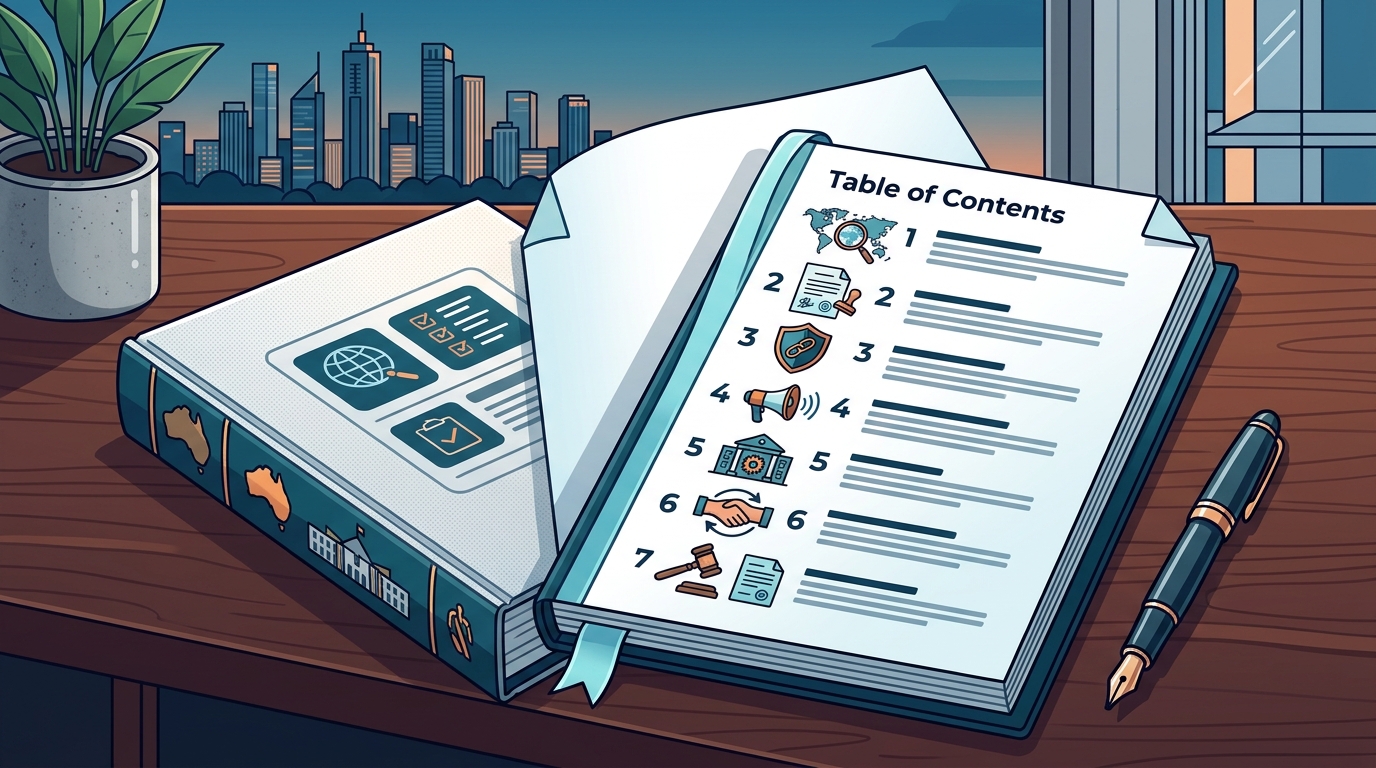
5. Training Workforce and Suppliers
Ensure all relevant personnel understand modern slavery indicators. Training is essential for identifying and responding to modern slavery risks. Employees, managers, and suppliers should be educated on the signs of exploitation and the procedures for reporting concerns. The Freedom Hub offers compliance training and workshops to build this capability within your organization. according to Start the deposit
6. Engaging Survivors in Remediation
Center the voices of survivors in your compliance strategy. Effective modern slavery compliance involves engaging people with lived experience in the design and implementation of remediation efforts. This approach ensures that solutions are practical and respectful. The Freedom Hub’s survivor engagement services help businesses connect with survivors in a meaningful and ethical way.
7. Monitoring and Reporting on Effectiveness
Measure the impact of your modern slavery actions. Compliance is an ongoing process that requires regular monitoring and evaluation. Businesses must track the effectiveness of their due diligence and remediation efforts and report on outcomes in their annual statements. This continuous improvement cycle is vital for maintaining compliance and driving real change.
Choosing the Right Compliance Approach
Selecting the right compliance strategy depends on your business size, industry, and supply chain complexity. Start by conducting a risk assessment to identify your specific vulnerabilities. Then, build a management system that includes due diligence, training, and survivor engagement. The Freedom Hub can help you navigate these requirements and develop a compliant, ethical modern slavery strategy.
Frequently Asked Questions
Who is required to prepare a Modern Slavery Statement in Australia?
What is the role of the Australian Border Force in modern slavery compliance?
The Australian Border Force is the regulatory body responsible for overseeing the Modern Slavery Act. It maintains the public register of Modern Slavery Statements and provides guidance to eligible entities on their compliance obligations.
How can businesses engage survivors in their modern slavery compliance efforts?
Businesses can engage survivors by involving them in the design of remediation programs, providing employment opportunities, and seeking their input on policy development. The Freedom Hub facilitates these connections through its survivor engagement services.
Is modern slavery compliance only for large corporations?
No, while the legal reporting obligation applies to larger entities, all businesses are encouraged to conduct due diligence and address modern slavery risks in their supply chains. Smaller businesses can also adopt voluntary compliance measures to demonstrate ethical leadership.
What are the consequences of non-compliance with the Modern Slavery Act?
Non-compliance can result in reputational damage, loss of business opportunities, and potential legal action. The Australian Border Force can also take enforcement action against entities that fail to meet their reporting obligations.
How often must a Modern Slavery Statement be updated?
Eligible entities must prepare and lodge a Modern Slavery Statement for each reporting cycle, which is typically annual. The statement must reflect the actions taken and risks identified during that specific period.