

7 Key Steps to Building a Workplace Grievance System Workers Actually Use
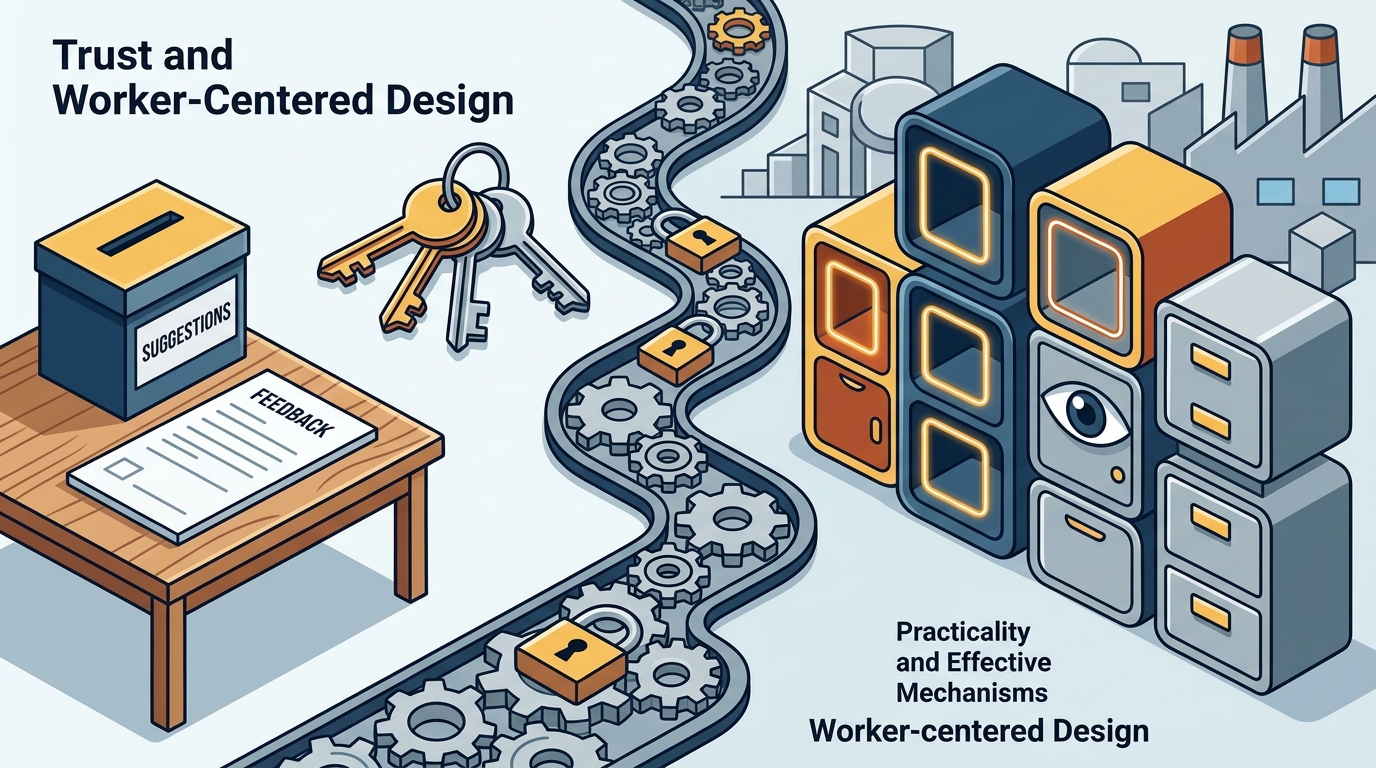
Workers will not use a grievance system they do not trust. The Freedom Hub emphasizes that effective mechanisms must be practical, worker-centred, and survivor-informed to address hidden harm. A safe reporting pathway is the difference between silence and real help. according to Centralized Public Grievance For additional details, review the .
1. Define the Scope and Purpose
Clarity on what the system covers builds initial trust. A workplace grievance system is a structured process for employees to raise concerns about unfair treatment, safety, or exploitation. It must explicitly state which issues are covered, such as forced labour, unsafe conditions, or discrimination. Ambiguity in scope leads to confusion and discourages reporting.
2. Design Multiple Accessible Channels
Workers need options that fit their comfort and language needs. A single hotline or email address is often insufficient for diverse workforces. The Freedom Hub notes that workers may not trust a single channel or may not speak the primary language of the business. Providing anonymous hotlines, digital forms, and in-person options ensures broader accessibility.
3. Ensure Confidentiality and Safety
Workers must feel safe from retaliation to speak up. Confidentiality is the cornerstone of any credible grievance mechanism. Fear of job loss, isolation, or danger prevents many workers from reporting exploitation. Clear anti-retaliation policies and secure data handling are non-negotiable components of a safe system.
4. Train Staff in Trauma-Informed Response
Responders must understand the impact of exploitation on survivors. A trauma-informed approach is a method of interacting with individuals that recognizes the effects of trauma and avoids re-traumatization. Staff who receive complaints need specific training to handle disclosures of modern slavery or forced labour with empathy and professionalism. This training ensures that the first point of contact does not cause further harm.
5. Establish Clear Investigation Protocols
Workers need to know what happens after they report. Recent research by Monash University found that many large Australian companies are better at outlining policies than explaining the post-report process. The study examined FY2024 modern slavery statements from 39 large ASX100 companies and found they addressed only about 36 percent of key questions regarding remedy. Businesses must clearly communicate investigation timelines, roles, and outcomes to close this gap.
6. Provide Meaningful Remedy and Support
Reporting must lead to tangible change and support for the worker. A grievance mechanism is a formal process for identifying and resolving workplace issues that leads to remedy. This includes not only disciplinary action against perpetrators but also support services for the affected worker. The Freedom Hub advocates for survivor engagement, ensuring that people with lived experience help design and deliver support pathways.
7. Monitor, Audit, and Iterate
Continuous improvement is essential for long-term trust. Regular audits of the grievance system help identify bottlenecks or trust deficits. Businesses should track reporting rates, resolution times, and worker satisfaction. Feedback loops allow organizations to adapt their mechanisms to changing workforce needs and emerging risks.
Choosing the Right Approach
When building your system, prioritize accessibility and survivor-informed design over bureaucratic compliance. The Freedom Hub offers expert guidance on modern slavery risk grievance mechanisms to help you implement these steps effectively. To plan your implementation, for tailored advice.
Frequently Asked Questions
What is a workplace grievance mechanism?
A workplace grievance mechanism is a formal process that allows employees to raise concerns about unfair treatment, safety issues, or exploitation and receive a response and remedy.
Why do workers often not use existing grievance systems?
Workers often do not use existing systems because they lack trust in the channel, fear retaliation, or do not understand what happens after a report is made.
What is a survivor-informed framework?
A survivor-informed framework is a design approach that involves people with lived experience of exploitation in creating and delivering support services to ensure they are practical and effective.
How can businesses ensure confidentiality in grievance reporting?
Businesses can ensure confidentiality by using secure digital platforms, training staff on data protection, and implementing strict anti-retaliation policies.
What role does training play in grievance system success?
Training ensures that staff who receive complaints can respond with empathy, understand the severity of exploitation, and guide workers toward appropriate support without causing further trauma.