

7 Employment Pathways and Training Programs for Trafficking Survivors
Employment support for trafficking survivors is a structured process that rebuilds safety, restores choice, and creates a path towards long-term recovery. It is not simply about finding a job; it is about ensuring the workplace environment does not repeat the harm of exploitation. The Freedom Hub focuses on these specific pathways to help survivors regain independence and confidence.
1. Trauma-Informed Vocational Training
Standard job readiness programs often fail survivors because they ignore the psychological barriers to work. Trauma-informed employment support is an approach that recognizes behavior often has context, such as anxiety or fear of authority. Traditional programs focus on speed, like updating a CV and practicing interviews, which can miss the core issue of trust. This type of training ensures that missing an appointment is viewed as a potential trigger rather than a lack of motivation.
2. The Freedom Hub Survivor School
The Freedom Hub Survivor School provides a dedicated space for survivors to learn life and work skills in a safe environment. This program trains and equips victims of modern slavery to rebuild their lives and be reemployed in freedom. Survivors attend lessons to prepare for working in Australia, learning new skills that prepare them for the workforce. The school operates with the understanding that a survivor may have been forced to work without pay or threatened by an employer in the past.
3. Barista and Hospitality Skills
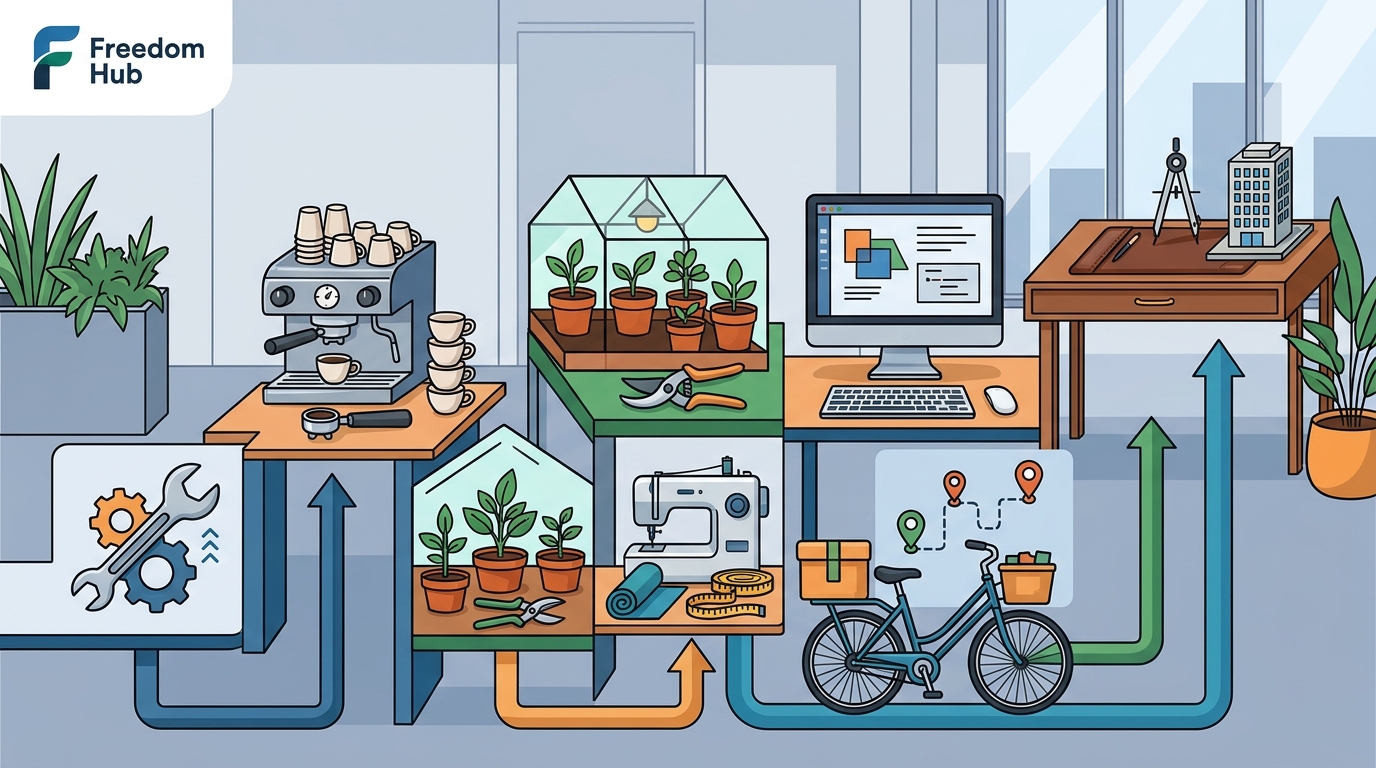
Hospitality offers a practical entry point for survivors who need immediate, structured work experience. Survivors can learn barista skills at college as a first step towards employment. This type of training is often chosen because it provides a clear path to a job in a social enterprise setting. For example, a survivor who wishes to run a restaurant in their hometown can start by mastering barista skills in a local city.
4. Social Enterprise Employment
Working in a social enterprise allows survivors to earn an income while being supported by an ethical business model. Social enterprises are businesses that prioritize social impact over profit maximization. The Freedom Hub Cafe is an example of this model, where all profits support the Survivor School. This environment helps survivors regain confidence without the high-pressure dynamics of traditional corporate workplaces.
5. Digital Safety and Rights Education
Understanding digital safety and legal rights is a critical first step before engaging with formal employment systems. Some survivors need help understanding their rights before they are ready to engage with formal systems. This includes digital safety planning to ensure that a trafficker is not monitoring phone calls or messages. It also involves understanding visa uncertainty and how it impacts employment eligibility.
6. Long-Term Career Pathway Planning
Long-term planning helps survivors move from immediate survival to sustainable, long-term career goals. Effective support begins with safety and moves towards a clear understanding of a survivor’s immediate circumstances. This includes access to healthcare, counseling, and legal support. The goal is to create a path towards long-term recovery that does not repeat the harm survivors have already endured.
7. Peer Support and Mentorship
Peer support from other survivors provides a sense of community and reduces the isolation often experienced after trafficking. Survivors often feel isolated from the community and may have a complete loss of trust in employers. Connecting with others who have similar experiences can help rebuild trust and provide a support network. This peer-driven approach ensures that survivors are not treated as a checkbox exercise but are empowered to drive real change.
Choosing the Right Pathway
The best pathway depends on the survivor’s immediate safety needs and long-term goals. If a survivor is in immediate danger, the priority is safe accommodation and legal advice. If they are stable, vocational training in a social enterprise may be the best next step. The Freedom Hub helps navigate these choices to ensure dignity and safety are maintained throughout the process.
Frequently Asked Questions
What is the main difference between standard job training and trauma-informed support?
Standard job training focuses on speed and skills, while trauma-informed support focuses on safety, trust, and the psychological context of the survivor’s behavior.
Does The Freedom Hub provide direct employment?
The Freedom Hub operates a social enterprise cafe where survivors can gain work experience, and the Survivor School provides training to prepare them for the broader workforce.
How long does the training process take?
The duration varies based on the individual’s needs, but the focus is on long-term recovery rather than quick fixes. Survivors may attend lessons several times a week to build skills gradually.
Can survivors with visa issues participate in training?
Yes, but they may need legal support to understand their rights and eligibility. The support process includes helping survivors navigate visa uncertainty and understand their legal standing.
Is the training free for survivors?
The Freedom Hub is a registered charity, and its programs are designed to support survivors without the financial pressure that often pushes people back towards unsafe work. Learn more: Contact Us The Freedom.