

7 Key Steps to Building a Custom Supply Chain Audit Program for Modern Slavery
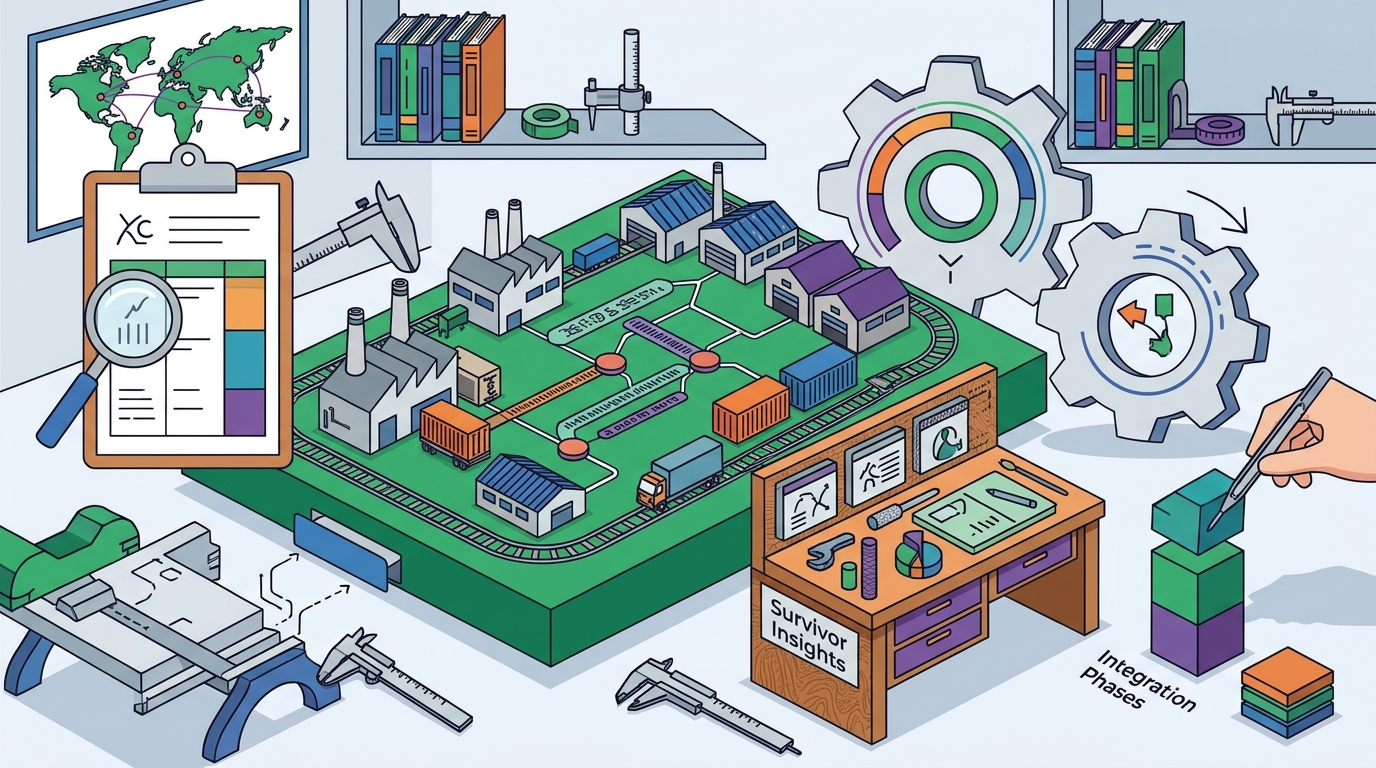
Building a robust supply chain audit program requires a structured approach that moves beyond simple compliance checklists. The Freedom Hub emphasizes that effective modern slavery prevention relies on survivor-led insights and deep operational integration. This guide outlines the essential phases for developing a tailored audit framework that identifies and mitigates exploitation risks across your enterprise. For additional details, review the .
1. Define Scope and Risk Mapping
Identify high-risk tiers and geographic zones to focus audit resources effectively. Begin by mapping your entire supply chain to identify where modern slavery risks are most prevalent. Focus on Tier 1 and Tier 2 suppliers in regions with known labor exploitation issues. This initial mapping ensures your audit program targets the areas with the highest potential for harm rather than applying a blanket approach to all vendors.
2. Establish Clear Audit Criteria
3. Integrate Survivor-Led Perspectives
Incorporate lived experience to uncover hidden risks that traditional audits miss. The Freedom Hub advocates for survivor engagement in modern slavery work to ensure real change. Traditional audits often fail to detect subtle forms of coercion because they lack the perspective of those who have experienced exploitation. Integrating survivor-led insights helps design audit questions and protocols that identify the nuanced signs of abuse.
4. Select Appropriate Audit Methodologies
Combine desk-based reviews with on-site visits and worker interviews. A multi-method approach provides a more accurate picture of supply chain conditions. Desk-based reviews analyze documents and policies, while on-site visits allow auditors to observe working conditions directly. Worker interviews, conducted in private and in the worker's native language, are critical for gathering unfiltered feedback on treatment and compensation.
5. Train Audit Teams in Trauma-Informed Practices
Ensure auditors can handle sensitive disclosures without causing further harm. Auditors must be trained to recognize and respond to signs of trauma in workers. Trauma-informed reporting is essential for ethical engagement with vulnerable populations. This training ensures that the audit process itself does not re-traumatize survivors or compromise their safety during the investigation.
6. Implement Incident Response and Remediation
Create a clear pathway for immediate action when violations are found. An audit program is only as effective as its response mechanism. You must have a predefined protocol for addressing violations, including immediate remediation for affected workers. This includes financial compensation, safe relocation, and legal support. The Freedom Hub provides incident response and remediation services to help businesses manage these critical moments ethically.
7. Monitor Progress and Report Transparently
Track remediation outcomes and publish findings to build stakeholder trust. Continuous monitoring ensures that corrective actions are sustained over time. Transparent reporting to stakeholders demonstrates your commitment to ethical sourcing. Regularly updating your audit program based on new findings and evolving risks keeps your compliance strategy relevant and effective.
Choosing the Right Approach
Select the audit depth based on the risk profile of each supplier. High-risk suppliers require frequent on-site audits with worker interviews, while lower-risk suppliers may be managed through desk-based reviews and self-assessments. This tiered approach optimizes resources while maintaining rigorous oversight where it matters most. according to Supplier risk management
Frequently Asked Questions
How often should supply chain audits be conducted?
High-risk suppliers should be audited annually or more frequently, while lower-risk suppliers may be reviewed every two to three years. The frequency should be adjusted based on the supplier's risk profile and the results of previous audits.
What is the role of survivors in supply chain audits?
Survivors provide critical insights into the subtle signs of exploitation that traditional auditors may miss. Their lived experience helps design more effective audit protocols and ensures that remediation efforts are genuinely supportive.
How do I ensure worker safety during audits?
What happens if an audit finds evidence of modern slavery?
The business must immediately activate its incident response protocol. This includes providing support to affected workers, terminating or remediating the supplier relationship, and reporting the findings to relevant authorities if required by law. according to Cybersecurity s First
Can I outsource my supply chain audit program?
Yes, many businesses partner with specialized organizations to conduct audits. The Freedom Hub offers modern slavery advisory services and compliance training to help businesses build and manage their audit programs effectively.