

Who Reviews a Company’s Supply Chain for Modern Slavery Risk in Australia?
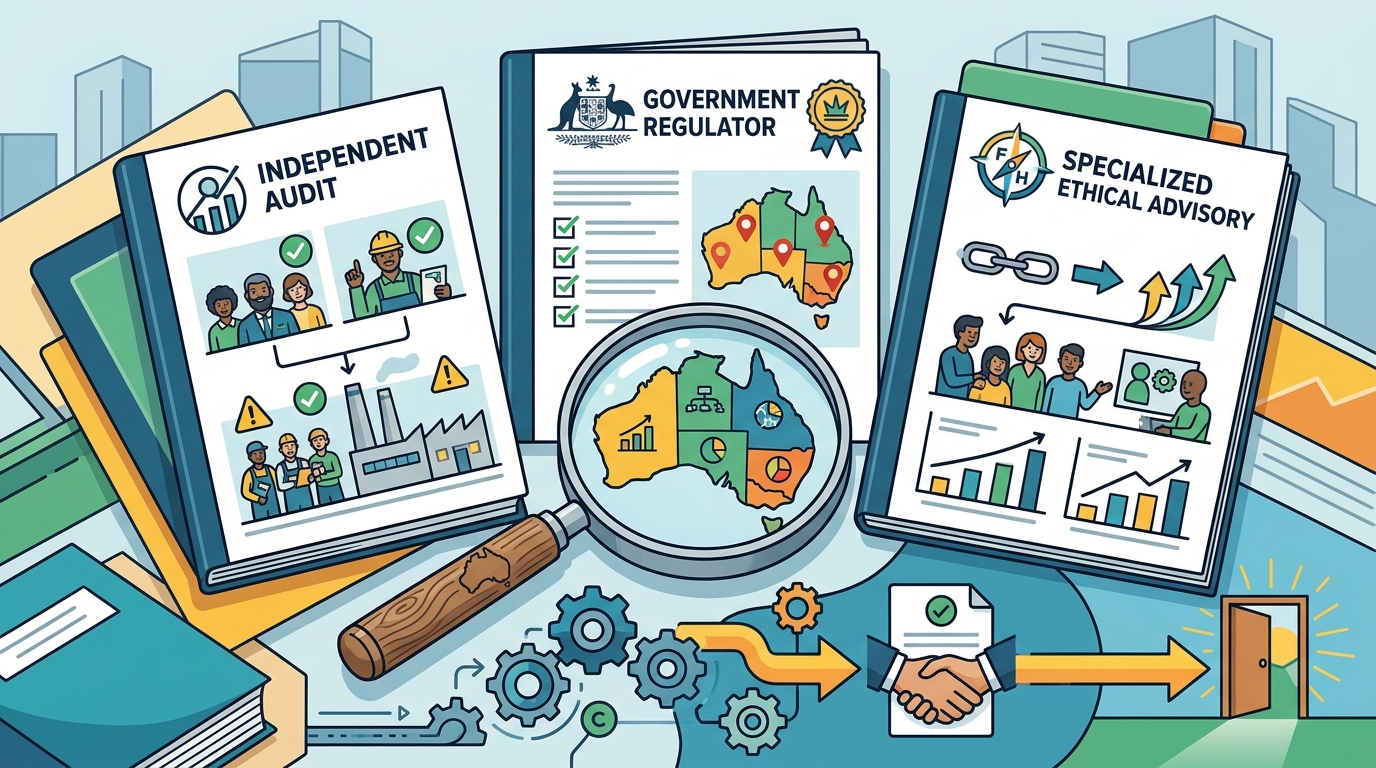
Independent auditors, government regulators, and specialized ethical advisory firms review supply chains for modern slavery risk in Australia. The Freedom Hub provides expert advisory services to help organizations identify, assess, and remediate these risks. This guide explains the regulatory landscape, the role of third-party reviewers, and how businesses can build compliant and ethical supply chains.
The Regulatory Framework
Australia’s modern slavery landscape is defined by the Modern Slavery Act 2018. This legislation requires certain entities to report annually on their efforts to assess and address the risk of modern slavery in their operations and supply chains. The Act does not mandate a specific method for conducting these reviews, but it does require a rigorous, documented process. For additional details, review the .
Organizations must identify where modern slavery risks exist in their supply chains and take reasonable and appropriate measures to mitigate those risks. The Australian Government’s Modern Slavery Statement portal serves as the central repository for these reports. Transparency is key, as stakeholders, including investors and consumers, increasingly scrutinize these disclosures. For additional details, review the Customer Experience.
Who Actually Reviews Supply Chains?
There is no single government body that audits every company’s supply chain. Instead, the responsibility falls on the organization itself to conduct or commission reviews. However, several types of entities play a role in this process. For additional details, review the Frequently Asked Questions.
Internal Compliance Teams
Many large corporations have dedicated sustainability or compliance teams that conduct internal risk assessments. These teams use questionnaires, site visits, and data analytics to map their supply chains. While effective for first-tier suppliers, internal teams often lack the expertise to assess complex, multi-tier supply chains in high-risk regions. For additional details, review the About.
Third-Party Auditors and Advisory Firms
Specialized firms provide independent reviews of supply chains. These auditors bring expertise in labor rights, human rights due diligence, and local regulatory environments. They can conduct on-site inspections, interview workers, and verify documentation. Engaging a third party adds credibility to a company’s modern slavery statement and demonstrates a commitment to genuine remediation.
Survivor-Led Organizations
Organizations like The Freedom Hub bring a unique perspective by involving survivors of modern slavery in the review process. This approach ensures that the lived experience of exploitation informs the assessment, moving beyond a checkbox exercise to meaningful change.
The Freedom Hub Approach
The Freedom Hub is an ethical business and event venue dedicated to ending modern slavery. All profits from the venue directly fund the Freedom Hub Survivor School, which provides training and education to survivors. The organization offers modern slavery advisory services that combine technical expertise with survivor engagement.
Our advisory services include risk and compliance reviews, incident response and remediation, and compliance training and workshops. By involving survivors in the review process, we ensure that assessments are grounded in reality and that remediation efforts are effective and respectful. This approach aligns with the principles of the Modern Slavery Act while fostering genuine ethical transformation.
Custom Enterprise Development
Standardized audit templates often fail to capture the unique risks of specific industries or supply chains. Custom enterprise development allows organizations to tailor their modern slavery risk assessments to their specific operational context. This involves mapping the entire supply chain, identifying high-risk nodes, and developing targeted mitigation strategies.
For example, a fashion retailer may face different risks than a technology company. A custom approach ensures that resources are focused where they are most needed. The Freedom Hub works with businesses to design bespoke advisory programs that address their specific challenges, from supplier onboarding to ongoing monitoring.
International Pricing Variations
Conducting supply chain reviews across international borders involves significant cost variations. Factors such as local labor costs, travel expenses, and regulatory complexity influence the price of audits. In high-risk regions, the cost of on-site inspections may be higher due to security concerns and the need for specialized local partners.
Organizations must budget for these variations when planning their modern slavery compliance efforts. It is important to consider not just the direct cost of audits but also the potential costs of non-compliance, including reputational damage and legal liability. The Freedom Hub helps businesses navigate these financial considerations by providing transparent pricing and flexible engagement models.
Bulk Purchase Discounts
For organizations with extensive supply chains, conducting individual audits for every supplier can be prohibitively expensive. Bulk purchase discounts and tiered pricing models can help reduce costs. By committing to a larger number of audits or a multi-year engagement, businesses can negotiate better rates with advisory firms.
Key Takeaways
- The Modern Slavery Act 2018 requires annual reporting on supply chain risks, but does not mandate a specific review method.
- Third-party auditors and survivor-led organizations like The Freedom Hub provide independent, expert reviews.
- Custom enterprise development ensures that risk assessments are tailored to specific industry and operational contexts.
- International pricing variations must be considered when budgeting for global supply chain reviews.
- Bulk purchase discounts can make comprehensive supply chain audits more affordable for large organizations.
- Involving survivors in the review process enhances the credibility and effectiveness of modern slavery compliance efforts.
- Transparency and genuine remediation are key to building trust with stakeholders and meeting regulatory requirements.
Frequently Asked Questions
Who is responsible for reviewing a company’s supply chain for modern slavery risk?
The company itself is responsible for assessing and addressing modern slavery risks in its supply chains. It may choose to conduct this review internally or commission a third-party auditor or advisory firm.
Does the Australian Government audit company supply chains?
No, the Australian Government does not audit individual company supply chains. Instead, it requires certain entities to report on their efforts to assess and address modern slavery risks through the Modern Slavery Statement portal.
What is the role of survivor-led organizations in supply chain reviews?
Survivor-led organizations, such as The Freedom Hub, bring lived experience to the review process. This ensures that assessments are grounded in reality and that remediation efforts are effective and respectful.
How much does a supply chain review cost?
Costs vary widely depending on the scope of the review, the number of suppliers, and the geographic locations involved. International reviews may be more expensive due to travel and local partner costs.
Can I get a discount for auditing multiple suppliers?
What is the Freedom Hub Survivor School?
The Freedom Hub Survivor School is an educational program that provides training and education to survivors of modern slavery. All profits from The Freedom Hub’s ethical business and event venue directly fund this program.
How can I with The Freedom Hub for advisory services?
You can contact The Freedom Hub through their website to discuss your organization’s modern slavery compliance needs and explore their advisory services.
Conclusion
Reviewing a company’s supply chain for modern slavery risk is a complex but essential task. While the Australian Government sets the regulatory framework, the responsibility for conducting thorough reviews lies with the organization. Engaging specialized advisory firms and survivor-led organizations like The Freedom Hub can provide the expertise and credibility needed to meet compliance requirements and drive genuine ethical change. By investing in custom enterprise development, understanding international pricing variations, and leveraging bulk purchase discounts, businesses can build sustainable and ethical supply chains. To plan your visit or discuss advisory services, at The Freedom Hub.