

7 Key Steps for Investigating Why Modern Slavery Happens in Your Supply Chain
Modern slavery is a complex systemic issue that often hides within global supply networks. The Freedom Hub is an ethical business and event venue dedicated to ending modern slavery through awareness and survivor support. This guide outlines the critical investigative steps required to uncover the root causes of exploitation in your operations.
1. Define the Scope and Risk Profile
Identify high-risk sectors and geographic regions to focus your investigation. Modern slavery is not distributed evenly across all industries or regions. You must first determine which parts of your supply chain carry the highest risk of exploitation. This involves assessing the nature of the goods, the labor conditions in specific countries, and the complexity of the supplier network. For additional details, review the Frequently Asked Questions.
2. Map the Full Supply Chain
Trace materials back to the source to identify hidden tiers of suppliers. Many organizations only know their first-tier suppliers, leaving deeper levels unmonitored. A complete supply chain map reveals where raw materials are sourced and who processes them. This visibility is essential for understanding where labor abuses might occur.
3. Conduct Desk-Based Research
4. Perform On-Site Audits
Verify physical conditions and labor practices through unannounced inspections. On-site audits allow investigators to observe working conditions directly. They should check for signs of forced labor, such as restricted movement, withheld wages, or excessive working hours. These inspections must be conducted with a focus on human rights rather than just compliance.
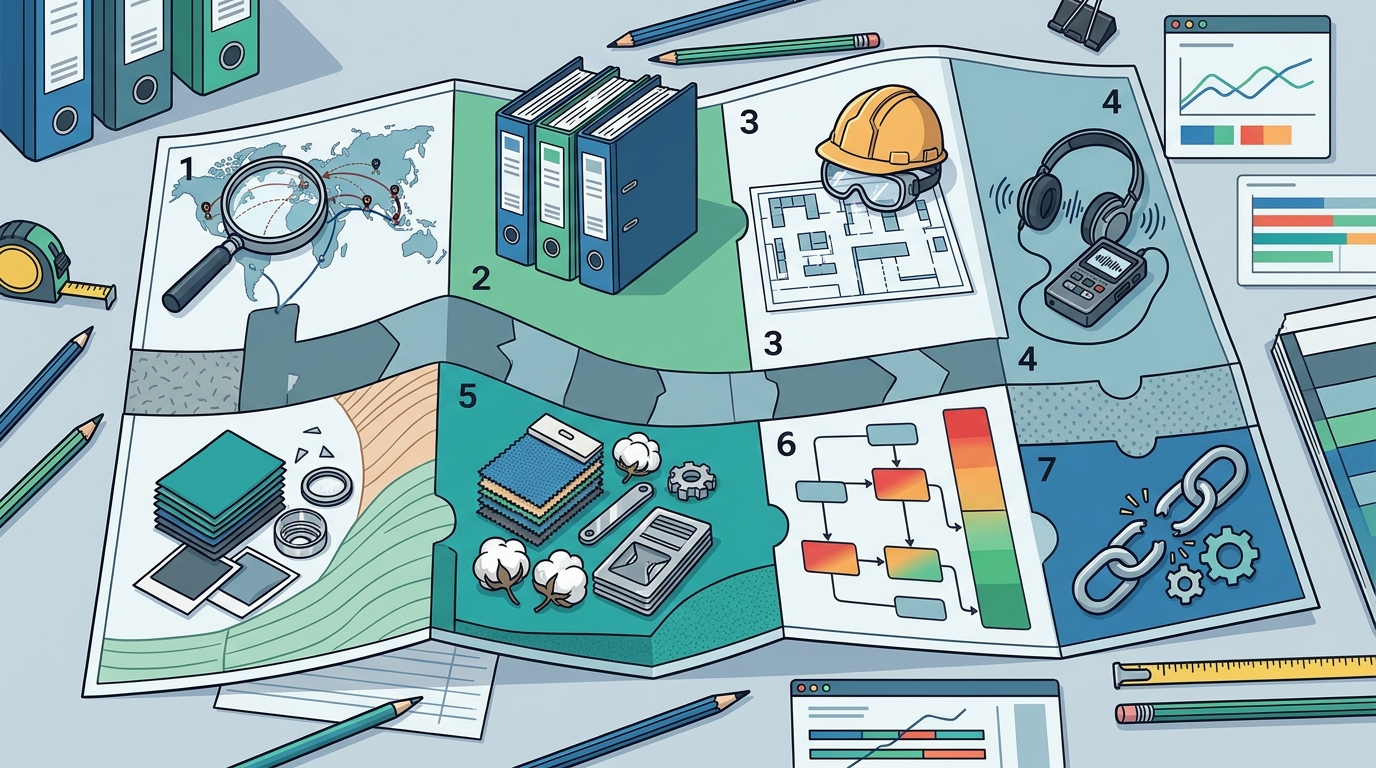
5. Engage with Workers Directly
Listen to the voices of those most affected by the supply chain. Survivor engagement is a core principle of The Freedom Hub. Workers can provide insights that audits might miss. Safe, confidential interviews allow employees to share their experiences without fear of retaliation. This step is crucial for identifying subtle forms of coercion and exploitation.
6. Analyze Root Causes
Look beyond symptoms to understand the systemic drivers of exploitation. Identifying the root cause requires analyzing economic pressures, legal gaps, and cultural factors. For example, poverty and lack of alternatives can drive workers into exploitative situations. Understanding these drivers helps in designing effective long-term solutions rather than just fixing immediate symptoms.
7. Implement Remediation and Monitoring
Create sustainable pathways for survivors and establish ongoing oversight. Investigation is only the first step; remediation ensures change. This involves supporting affected workers and holding suppliers accountable. The Freedom Hub Survivor School trains and equips victims of modern slavery to rebuild their lives, regain confidence, and be reemployed in freedom. Continuous monitoring ensures that improvements are sustained over time.
Choosing the Right Approach
Select your investigative strategy based on the specific risks in your supply chain. High-risk sectors require deeper, more frequent engagement with workers and on-site audits. Lower-risk areas may rely more on desk research and supplier self-assessments. The goal is always to create a culture of transparency and accountability.
Frequently Asked Questions
What is the first step in investigating modern slavery in a supply chain?
The first step is to define the scope and risk profile of your supply chain. This involves identifying high-risk sectors and geographic regions where exploitation is more likely to occur.
Why is survivor engagement important in supply chain investigations?
Survivor engagement ensures that the voices of those affected are heard. It provides critical insights into the realities of exploitation that may not be visible through standard audits.
How can businesses support survivors of modern slavery?
Businesses can support survivors by providing access to training, education, and employment opportunities. Organizations like The Freedom Hub offer programs that help survivors rebuild their lives and regain confidence.
What is the role of on-site audits in investigating modern slavery?
On-site audits allow investigators to observe working conditions directly and verify labor practices. They are essential for identifying signs of forced labor and other forms of exploitation.
How does The Freedom Hub contribute to ending modern slavery?
The Freedom Hub is an ethical business and event venue where all profits support the Freedom Hub Survivor School. This program trains and equips victims of modern slavery to rebuild their lives and be reemployed in freedom.