

Rebuilding Careers: Employment Pathways for Trafficking Survivors in Australia
Survivors of human trafficking in Australia can rebuild their careers through structured vocational training, legal work authorization, and psychosocial support. Organizations like The Freedom Hub provide direct pathways to employment by funding education and creating ethical workspaces. These programs focus on restoring dignity and financial independence rather than just offering temporary relief.
Understanding the Barriers to Employment
Human trafficking is a situation in which an individual is compelled to work or engage in commercial sex through the use of force, fraud, or coercion, according to the Human Trafficking Hotline. This exploitation often results in severe gaps in employment history and a lack of recognized qualifications. Survivors frequently face a limbo state where they feel destitute and desperate to rebuild their lives, yet they are locked out of standard services due to visa complexities. The Human Trafficking Search highlights how flawed visa systems prevent survivors from accessing the very services needed for reintegration. Without clear legal status, many cannot secure stable housing or open bank accounts, which are prerequisites for formal employment. For additional details, review the Frequently Asked Questions.
The Role of Specialized Training Programs
Effective career rebuilding requires more than job listings; it requires skill acquisition and confidence building. The Freedom Hub operates a Survivor School that provides training and education specifically designed for those with lived experience of modern slavery. This approach ensures that people with lived experience drive real change rather than treating the issue as a checkbox exercise. By combining a physical space for events with a dedicated educational program, the hub creates sustainable pathways to freedom. The curriculum often includes soft skills, digital literacy, and industry-specific training that aligns with local labor market needs. This targeted education helps bridge the gap between survival mode and professional readiness. For additional details, review the About.
Navigating Legal and Visa Challenges
Legal status is the foundation of any career path for survivors. In Australia, the Department of Justice and Attorney-General oversees the National Strategy for Combating Human Trafficking, which aims to enhance efforts to combat this atrocity, as noted by the U.S. Department of Justice in its global context. While the U.S. strategy provides a framework, Australian survivors must navigate local immigration laws. The Office for Victims of Crime emphasizes the importance of finding programs that provide direct services and information about victims' rights. Survivors should seek legal aid to understand their specific visa options, such as protection visas or temporary work permits. Understanding these rights is the first step toward securing a work visa that allows for long-term career growth.
Accessing Support Services and Referrals
Isolation is a common barrier to reintegration, but a network of support exists. The National Human Trafficking Hotline maintains an online Referral Directory made up of anti-trafficking organizations that offer emergency, transitional, or long-term services, according to the Human Trafficking Hotline. These organizations provide resources and opportunities in the anti-trafficking field, helping survivors connect with local providers. In Texas, for example, the hotline works closely with service providers to share information and resources, as detailed in their regional statistics. While this specific data is U.S.-based, the model of coordinated referral networks is applicable globally. Survivors in Australia should look for similar coordinated networks that can refer them to mental health support, legal aid, and vocational counseling.
Building a Sustainable Future Through Ethical Business
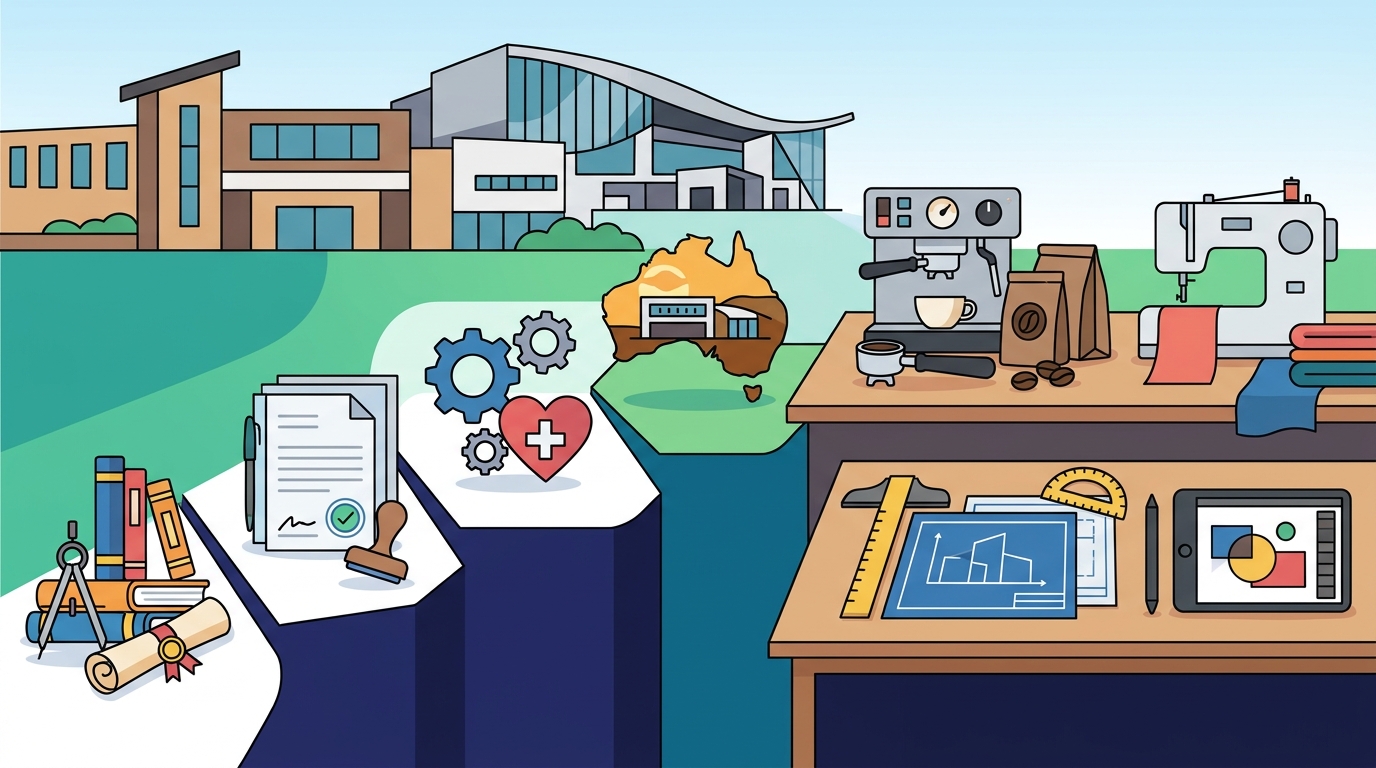
Long-term stability comes from working in environments that respect human rights. The Freedom Hub ensures that all profits generated from its venue directly fund the Survivor School, creating a circular economy of support. This model demonstrates how ethical businesses can contribute to ending modern slavery. Survivors are encouraged to seek out employers who prioritize ethical practices and survivor engagement. By choosing to work in or support ethical enterprises, survivors can help build a future of freedom. The organization also offers compliance training and workshops for businesses, helping them understand their role in preventing exploitation. This broader ecosystem of ethical business supports survivors not just in finding a job, but in finding a career that aligns with their values and contributes to social change.
Key Takeaways
- Survivors face significant barriers to employment, including visa restrictions and gaps in work history.
- Specialized training programs like The Freedom Hub Survivor School provide essential skills and confidence.
- Legal aid is crucial for understanding visa options and securing work authorization.
- Referral directories and support networks connect survivors with emergency and long-term services.
- Ethical businesses play a vital role in creating sustainable employment pathways for survivors.
- Psychosocial support is as important as vocational training in the recovery process.
- Survivors with lived experience can drive real change by participating in anti-trafficking efforts.
Frequently Asked Questions
What is the first step for a survivor to find work in Australia?
The first step is to contact a local anti-trafficking organization or legal aid service to assess your visa status and eligibility for work permits. These services can help you understand your rights and connect you with appropriate support programs.
How does The Freedom Hub support survivors in finding employment?
Can survivors work while their visa application is pending?
Work eligibility depends on the specific visa type and its conditions. Some protection visas allow for work rights, while others may not. It is essential to consult with an immigration lawyer to understand your specific situation.
What kinds of training are available for survivors?
How can businesses support trafficking survivors?
Businesses can support survivors by hiring them, providing ethical work environments, and participating in compliance training. The Freedom Hub offers workshops to help businesses understand their role in preventing exploitation and supporting survivor employment.
Is there a national directory of services for survivors in Australia?
While the U.S. has a National Human Trafficking Hotline directory, Australia has various state and federal resources. Survivors should look for local anti-trafficking organizations that offer referral services and direct support.